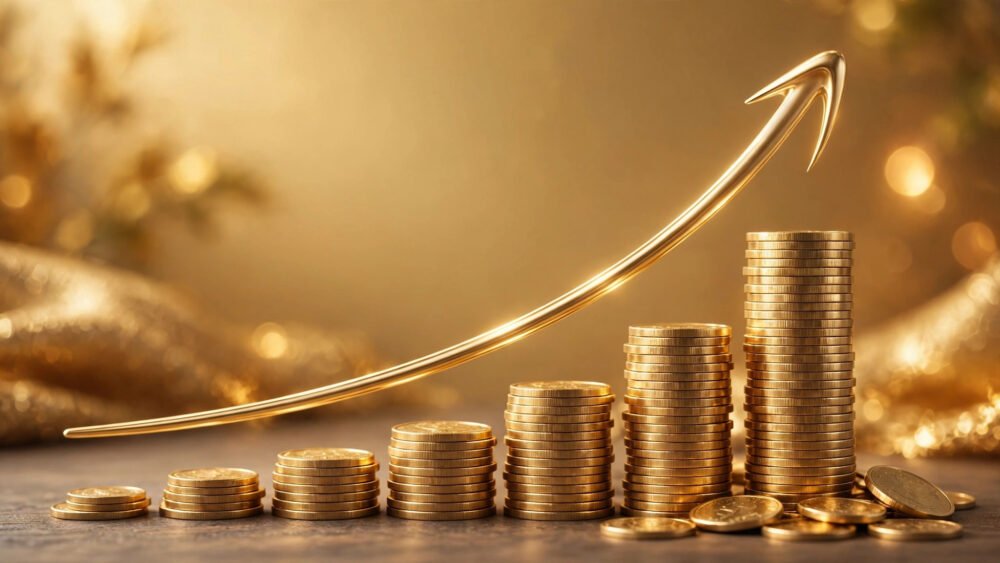
Few concepts in personal finance carry as much quiet force as compound interest. It rarely makes headlines, and it never arrives in a rush, but given enough time, it can turn modest, regular contributions into sums that surprise even disciplined savers. Understanding how compounding works — and, more importantly, what it requires of you — is one of the most practical steps anyone can take toward long-term financial security.
What Compounding Actually Means
At its simplest, compound interest means earning returns on your returns. When you invest money, any gains it produces are added to your balance, and the next round of growth applies to that larger amount. Early on, the effect is almost invisible. But as the balance grows and the years pass, each cycle builds on an increasingly larger base, and the curve bends upward. This is why finance writers so often call compounding the closest thing to a free lunch in investing: time does the heavy lifting for you.
Why Time Matters More Than Timing
A common misconception is that successful investing depends on finding the perfect moment to jump in or the perfect asset to pick. In practice, the length of your investment horizon is usually far more influential. Money left alone for thirty years can grow far beyond what even brilliant short-term decisions can achieve, because compounding accelerates in its later stages. This is why starting early — even with small amounts — tends to outperform starting late with larger sums. Every year of compounding you skip is one of the most powerful years you lose, since the final years of a long horizon do the most work.
The Rule of 72: A Quick Mental Shortcut
A handy way to feel the pace of compounding is the Rule of 72: divide 72 by your annual rate of return to estimate how many years it takes your money to double. At a 7% average annual return, money doubles roughly every ten years. So a single lump sum could double three times over three decades, growing to about eight times its original size. The rule is approximate, and real returns vary, but it makes the abstract concrete and can help you set realistic expectations for long-term goals.
Consistency Beats Cleverness
Because markets fluctuate, investors are often tempted to pause contributions when prices fall or to chase whatever is rising. Historically, though, steady, automatic contributions have been the more reliable strategy for most people. Regular investing through market ups and downs — often called dollar-cost averaging — means you buy more shares when prices are low and fewer when they are high, without needing to predict anything. Combine that discipline with a low-cost diversified portfolio, and you give compounding a stable foundation to work from.
Protecting Compounding From Its Enemies
Compounding has adversaries, and the biggest ones are fees, taxes, and early withdrawals. A difference of one percentage point in annual fees may sound trivial, but over decades it compounds too — in the wrong direction, quietly shaving large amounts off your final balance. Frequent withdrawals reset the clock on your money, and neglecting taxes can erode real returns. Choosing low-cost accounts and funds, automating contributions, and leaving the money invested are the most reliable ways to keep compounding on your side.
The takeaway is refreshingly simple: start early, contribute regularly, keep costs low, and stay invested. Compound interest rewards patience more than brilliance, and decades of quiet consistency can accomplish what no hot tip ever will. *This article is for informational purposes and is not financial advice; consider consulting a qualified professional before making investment decisions.*